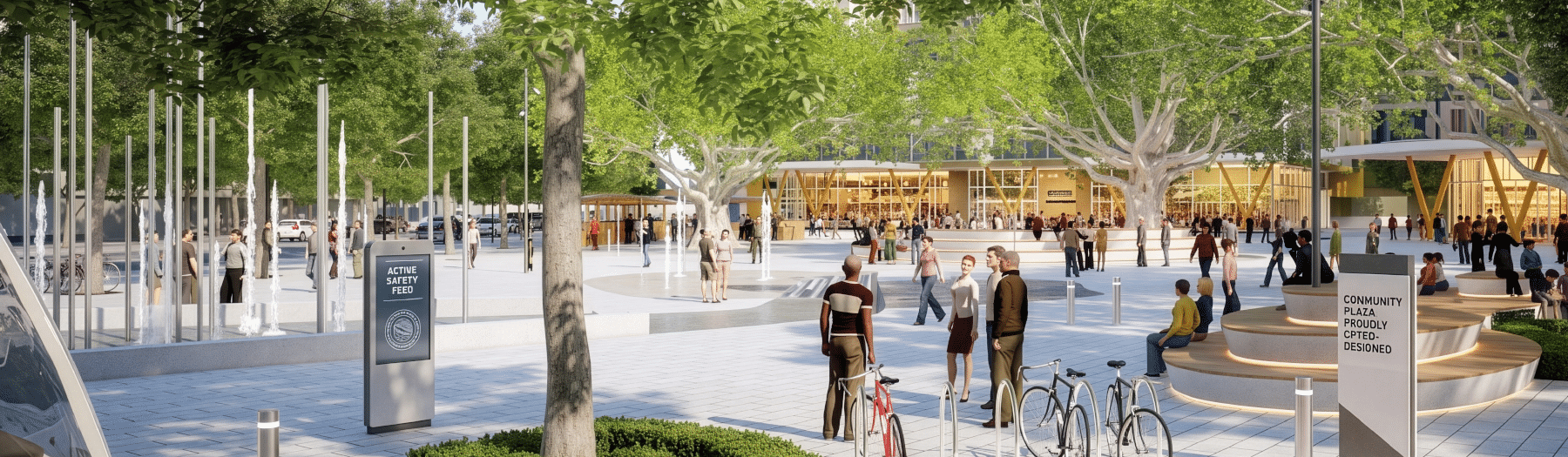
Making places safer and more welcoming for everyone, including people with disability starts with understanding how people interact with the spaces around them and how the design of those spaces can affect how people behave. This approach, called Crime Prevention Through Environmental Design (CPTED), uses design within the built environment to reduce the likelihood of crime and make people feel safer when using communal spaces.
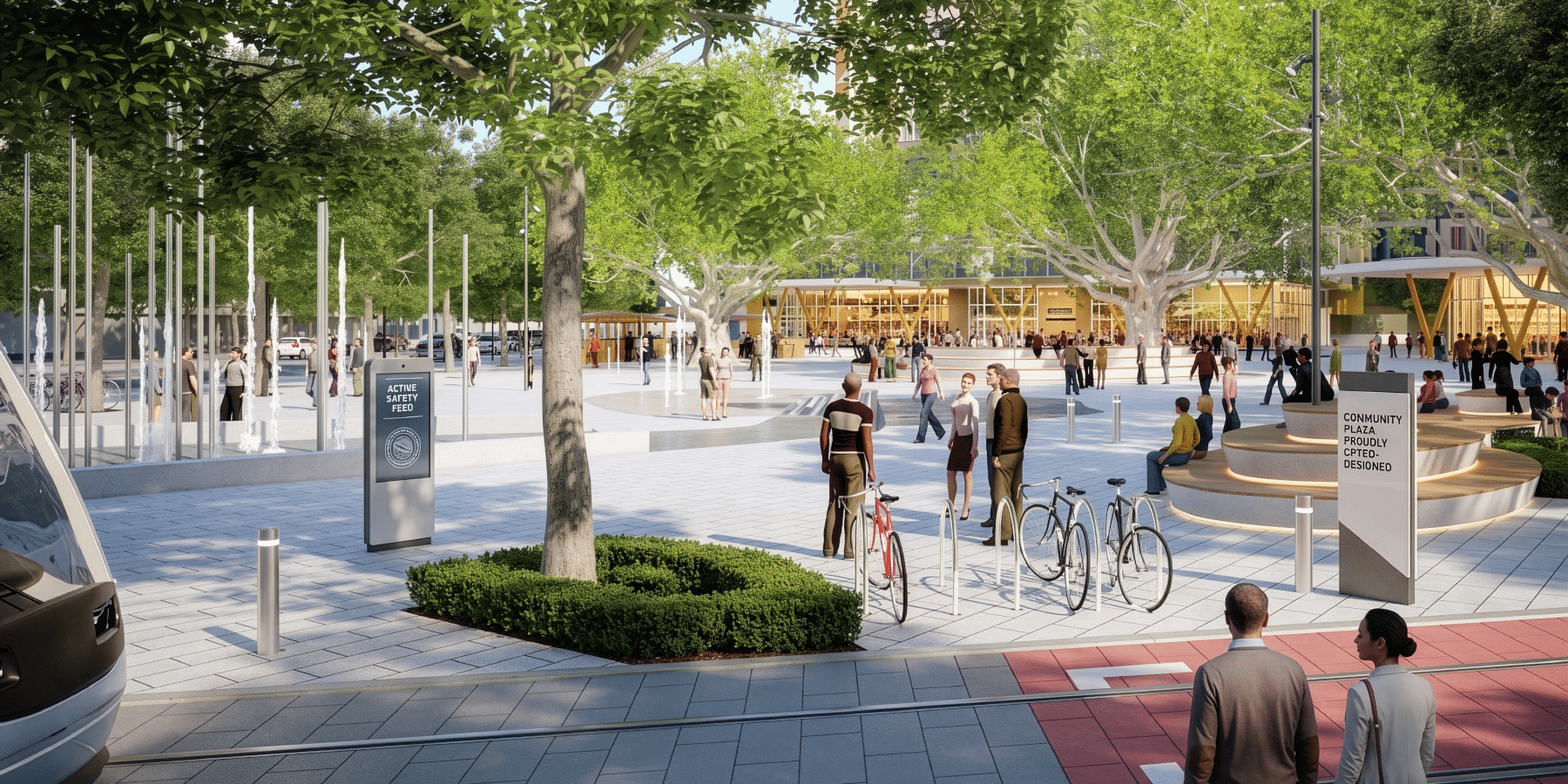 When we conduct a CPTED design review, we combine the latest CPTED principles with our expert knowledge of disability access to ensure safety and accessibility are considered from the beginning of the development process. This allows the creation of spaces that are not only safe but also inclusive for everyone. By considering how people will use a space and designing it with safety and accessibility in mind, we can help prevent crime and make communities safer, better places to live.
The way a space is designed can help people behave more positively and prevent them from acting in an anti-social manner. Studies have found that factors such as clear visibility, good lighting and easy navigation can make a place safer. Designing spaces with safety in mind is more than controlling who can come and go; it’s about making users of the space gain a sense of ownership of the space, making the space feel friendly and easy to get around. This is similar to the idea of the principles of universal design, which is about designing spaces that help everyone, regardless of ability, feel independent, respected and part of the community.
For people with disability, spaces must be both accessible and safe to use. Things like poor lighting, confusing access paths and isolated areas can make people feel vulnerable and less confident when using a space, but we must ensure that safety measures don’t inadvertently create new barriers. This means thinking about how people with different kinds of disability, including mobility, sensory, cognitive, or psychosocial disability experience the environment, and making design decisions that support both physical access and personal safety.
Our CPTED design review assessments can be undertaken at any stage of the project development, from early concept design through to detailed documentation. We examine the site layout, the clarity of movement paths, visibility between key areas, the lighting strategy, the relationship between indoor and outdoor spaces, the mix of activities, and the overall legibility of the environment. We consider how people enter and move through the space, how well the design supports natural observation, whether boundaries and transitions are clear and how the environment encourages positive use. We also look at the broader context, including surrounding land uses, transport connections and patterns of community activity, to understand how the site functions within its neighbourhood.
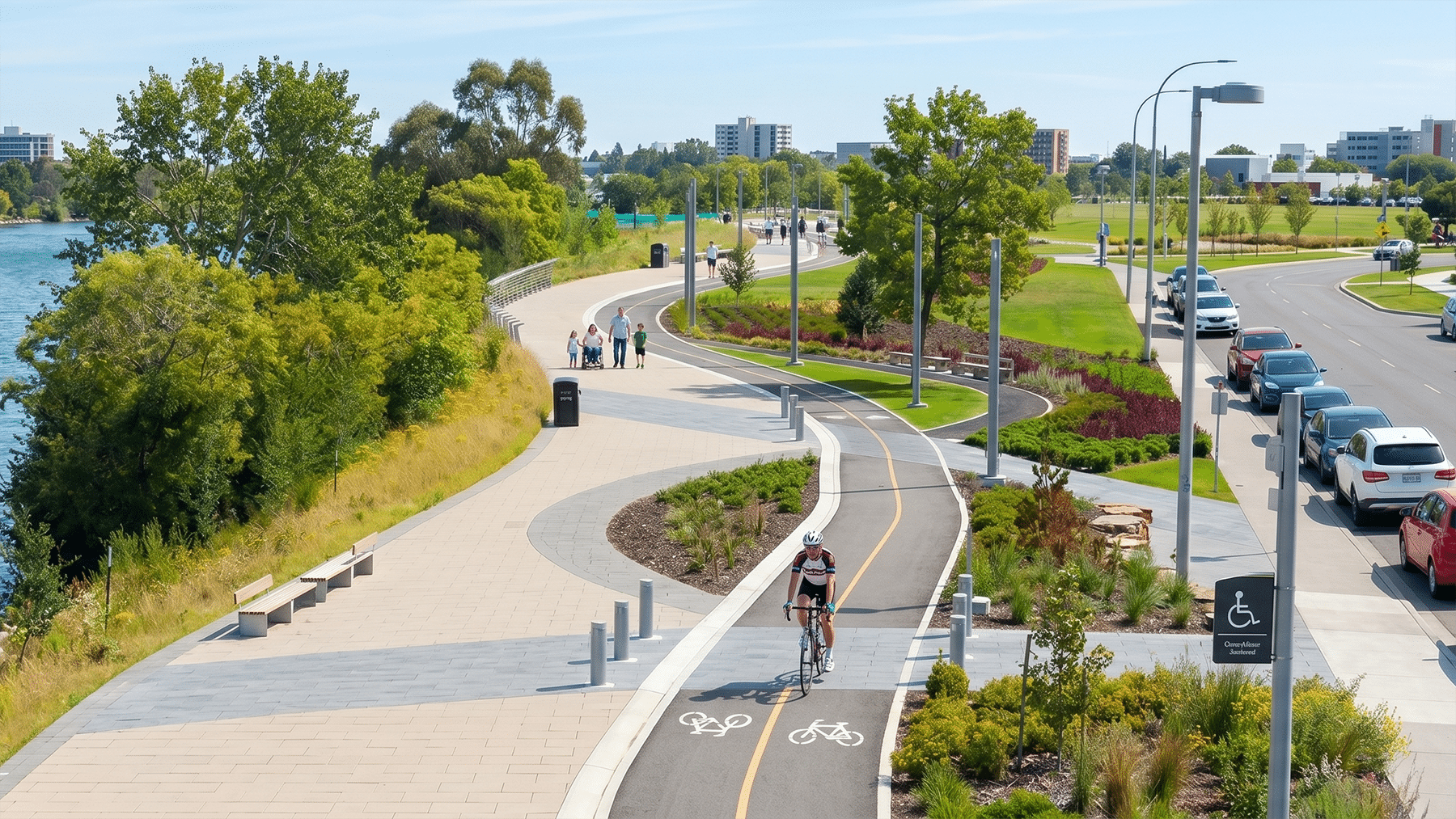 We provide straightforward and useful advice that makes places safer and easier for everyone to use. Our suggestions are based on the latest research and best practices in Crime Prevention Through Environmental Design, Australian planning and universal design. We work with our clients to improve their design plans, strengthen their proposals, identify potential problems, and create spaces that are safe, easy to navigate and welcoming to all.
This service is suited for upgrading public realm spaces, building community centres, sporting pavilions, social housing developments, designing transportation hubs systems, working on commercial projects and planning large-scale developments. Our goal is to help create environments that are not only safe but also intuitive and inclusive, benefiting everyone. By implementing our advice, clients can refine their design approach and strengthen their planning submissions by including risk mitigation, reducing long-term operational risks and achieving more successful projects.
When you include disability access expertise to the mix, CPTED becomes an even more powerful tool for creating environments that are not only safe but also welcoming and responsive to the needs of all users. Our CPTED design reviews help clients find this balance, ensuring that safety and accessibility go hand in hand to create spaces where everyone can take part with confidence and feel they belong.
Equal Access Group have two qualified CPTED assessors on staff
The Disability Standards for Accessible Public Transport 2002 otherwise known as the Transport Standa...
read more
Most people think an access consultant’s job is to identify where a design doesn’t comply; however, our role involves much more ...
read more
A recent update to The Disability (Access to Premises – Buildings) Standards 2010 (DAPS) came into effect on November 23, 2024. Among the changes was the inclusion of a reference t...
read moreKeep up with Disability Access Legislation using our free e-newsletter. Save yourself the headache of complaints and expensive last-minute upgrades. Sign up here!

 contact us