
Local governments require a Places of Public Entertainment Permit to ensure that events within their municipality are held safely and managed effectively in buildings or public spaces classified as places of public entertainment. The Permit confirms that the planned use, number of people, infrastructure, crowd management and recovery, as well as emergency procedures, meet the requirements of both legislation and local government regulations. The permit process allows Councils to confirm that safe entry and facilities, structural integrity, crowd management and emergency procedures have been provided for. For people with disability, the Permit process will also confirm that the planned event’s access and facilities meet the requirements of disability access legislation.
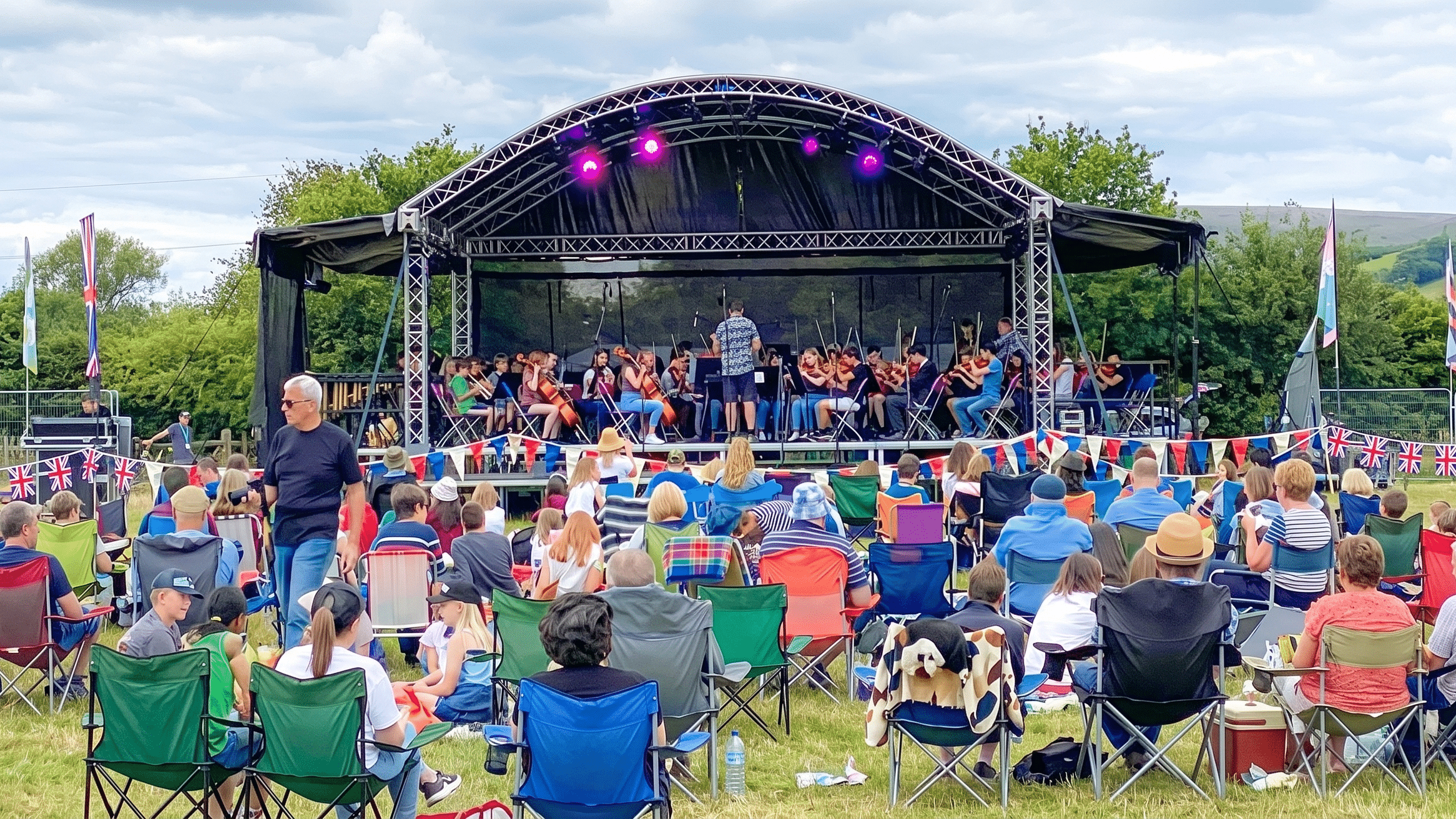 Places of Public Entertainment permits (POPE) are required for public events. Councils seek these permits when events include temporary structures or enclosures, have paid or free admission, attract large numbers of people and involve a range of other factors. In preparation for the permit application, Councils are keen to understand the organiser’s approach to safety, crowd management and visitor access to the event. For people with disability, it is crucial that access considerations be built into planning at the earliest stage to ensure the event is safe, accessible, inclusive, and compliant with access standards.
Local government regulations outline the triggers for a POPE and the specific items that must be addressed in the permit application. Typically, these matters include safe entry and exit, sufficient and safe access for circulation and egress, siting and compliance of temporary structures, provision of amenities, crowd management and emergency response, including provision for people with disability. Accessibility is no longer an optional feature that can be provided or not. Councils now look for detailed plans for accessible paths for travel, viewing and seating; accessible toilets; accessible car parking; clear wayfinding signage; and adequate lighting. Evidence is required showing how people with physical disabilities, as well as people with sensory, cognitive or psychosocial disability will be supported to access and safely attend your event.
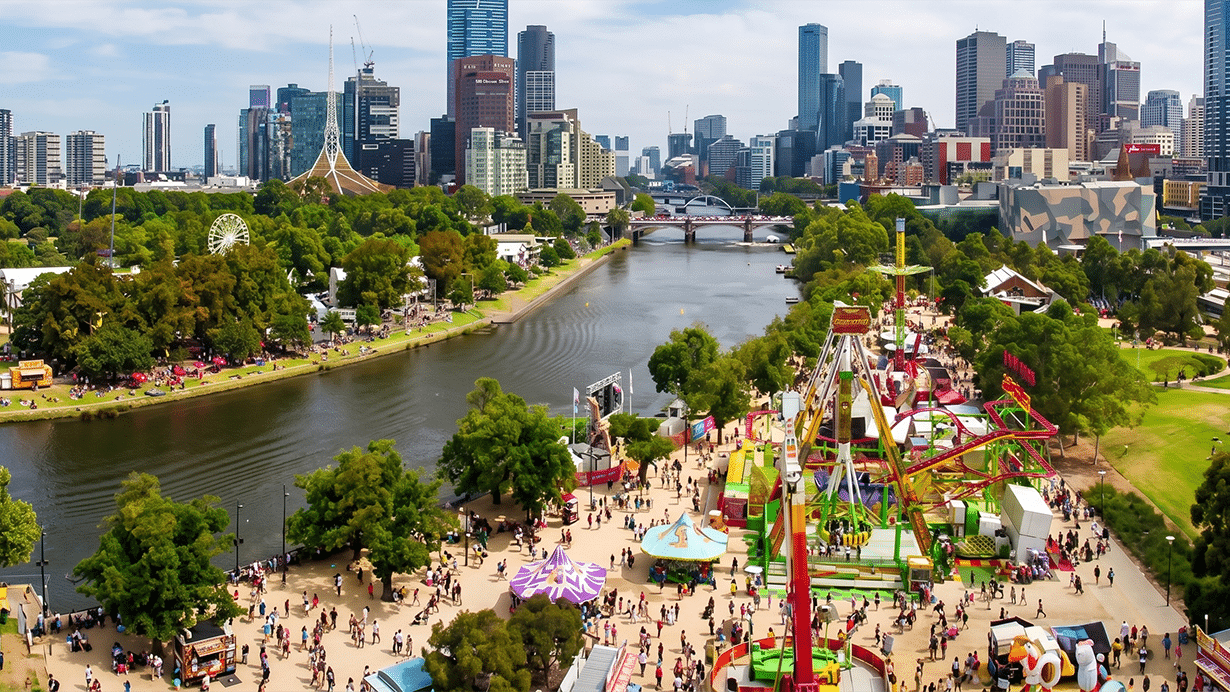 Equal Access consultants work with event organisers from concept development through to onsite verification of disability access, ensuring integration with the overall permit application process and the event delivery. We review design concepts, develop Disability Access Plans in conjunction with the event organiser and assess the event site, layouts and specific event infrastructure, including road access, car park design, walkways, open space and any restricted areas to verify accessibility. All built features, including temporary stages, tents, marques, grandstands, raised podiums, accessible and standard toilets and change rooms, activated landscape, sight lines, seating pits and risers, are inspected for access features such as ramps, handrails, landings and safe movement area widths. Where full physical access to a structure is not possible, alternative solutions may be determined to enable safe and dignified viewing for people with disability.
We prepare detailed access plans and supporting documentation ahead of submission to the council. The plans and documents set out the strategy for crowds, ticketing, circulation, egress and equitable access to food and toilet amenities for people with disability. The plans are sufficiently detailed to be referenced in safety management documents and incorporated into broader emergency response planning. These documents can be provided to municipal building surveyors and council officers to verify information in a Place of Public Entertainment permit application.
Incorporating emergency planning into the permit process is an important part of the Council’s accessibility evaluation. Council needs to be confident that all patrons can be safely evacuated in the event of an emergency, be clearly informed of what to do in such an event and have a place to assemble. We review evacuation and assembly points and, if required, communicate with event staff to develop procedures that can be incorporated into the event’s emergency management plan. For temporary structures such as ramps, we liaise with designers and contractors to ensure the facility’s installation is safe and meets both access and safety objectives. We also ensure that any certification or inspection requirements are met.
 Investing in specialist access advice is important to ensure legal compliance and enable meaningful participation by people with disability at your event. It is a key component in achieving your organisation’s goals and protecting your reputation. Many types of events require access advice, such as community festivals, cultural events and markets, as well as larger public gatherings and events, including festivals and concerts. Equal Access can work with you to develop comprehensive advice that can be incorporated into permit submissions for the municipal building surveyor.
Whether you have an upcoming event or a draft permit application that you need reviewed by our team, please let us know the event date and site location, and we can advise you on the type and extent of access documentation required to ensure your permit is issued on time.
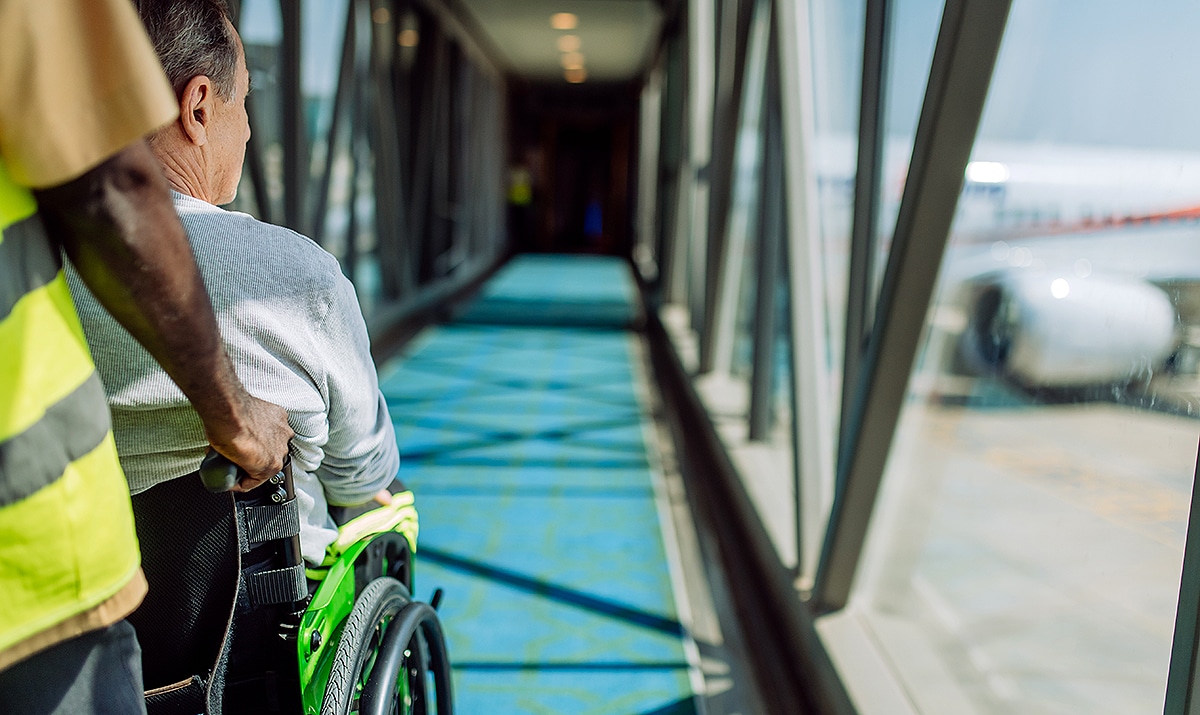
The Disability Standards for Accessible Public Transport 2002 otherwise known as the Transport Standa...
read more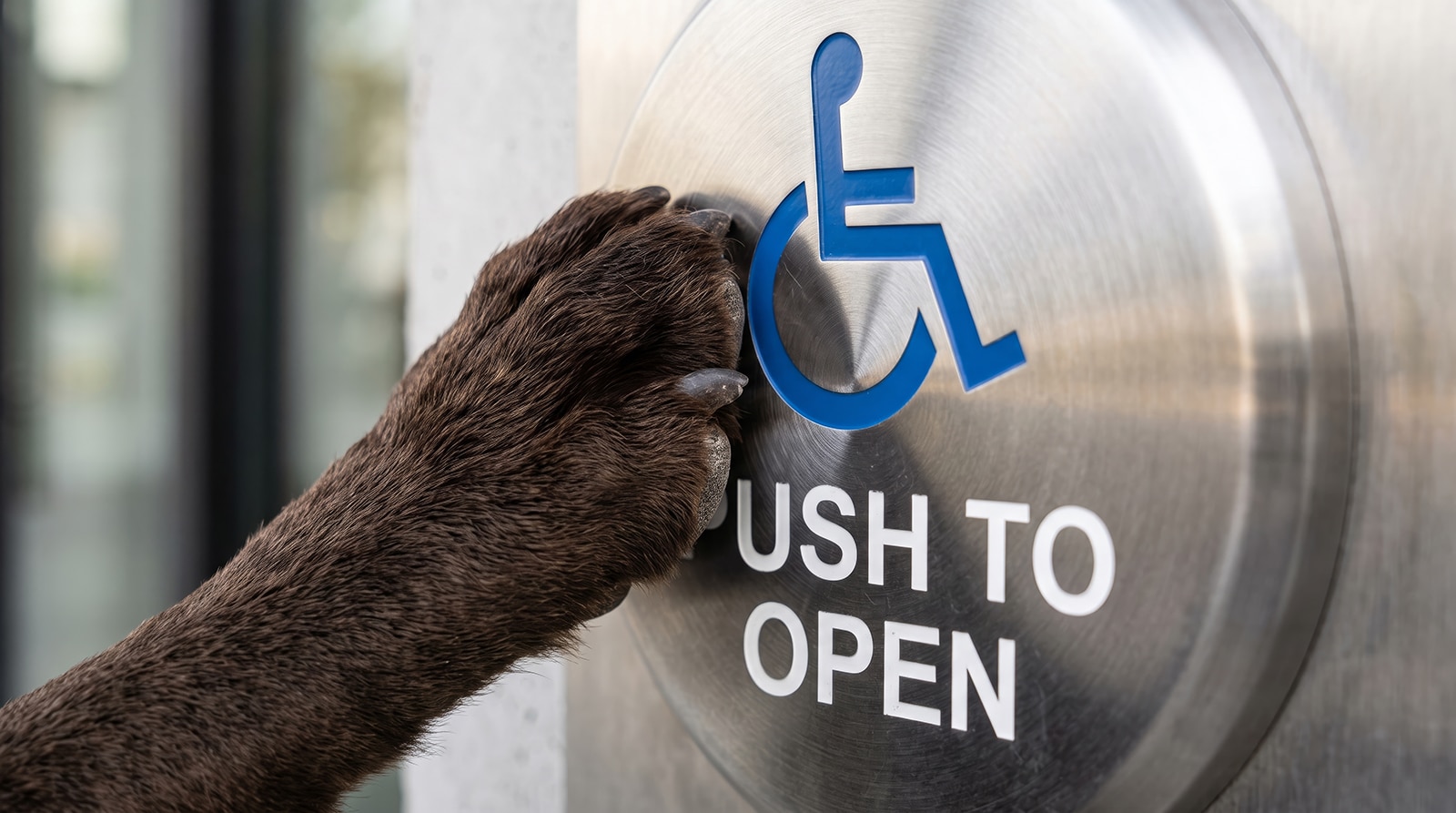
Most people think an access consultant’s job is to identify where a design doesn’t comply; however, our role involves much more ...
read more
A recent update to The Disability (Access to Premises – Buildings) Standards 2010 (DAPS) came into effect on November 23, 2024. Among the changes was the inclusion of a reference t...
read moreKeep up with Disability Access Legislation using our free e-newsletter. Save yourself the headache of complaints and expensive last-minute upgrades. Sign up here!

 contact us